
Wholesale Polycarbonate Lenses Price Manufacturers – 1.59 PC Polycarbonate Bifocal Lens – YOLI
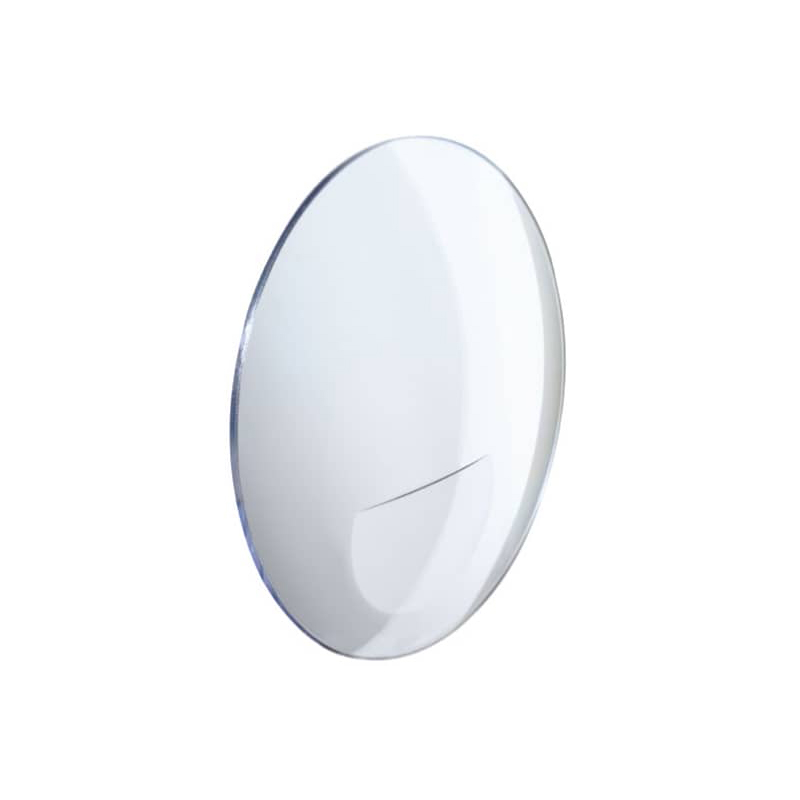
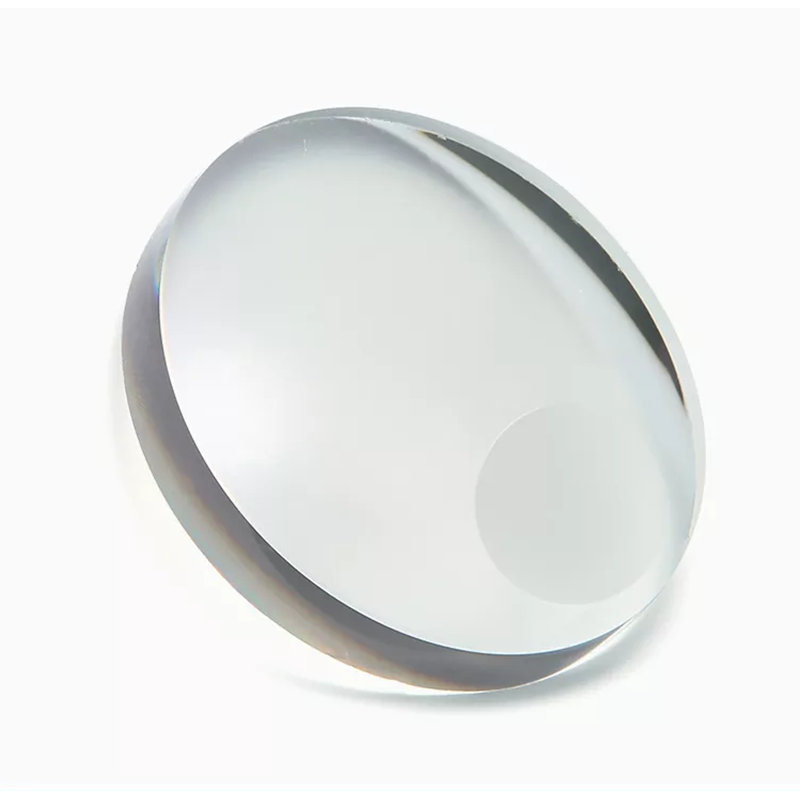
Wholesale Polycarbonate Lenses Price Manufacturers – 1.59 PC Polycarbonate Bifocal Lens – YOLI Detail:
What Are Polycarbonate Lenses?
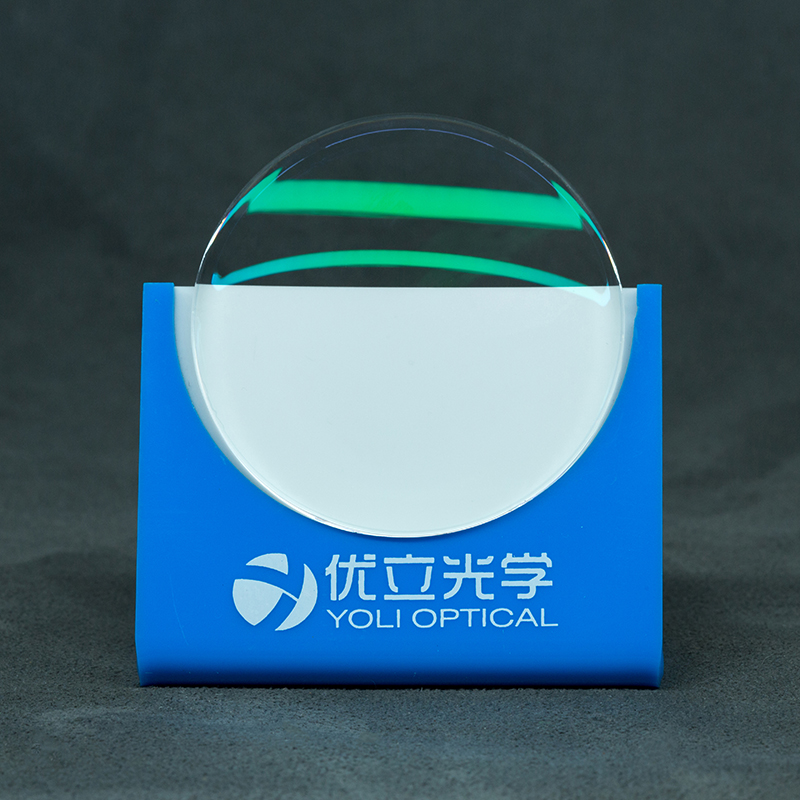
Polycarbonate lenses are distinguished by their resilient, shatterproof, and built-in scratch-resistant properties. Impact resistance sets them apart from other eyeglass lenses. This makes them an optimal choice for people with active lifestyles who are more prone to dropping or scratching their eyeglasses. Polycarbonate lenses are also ideal for children’s eyewear and prescription safety glasses.
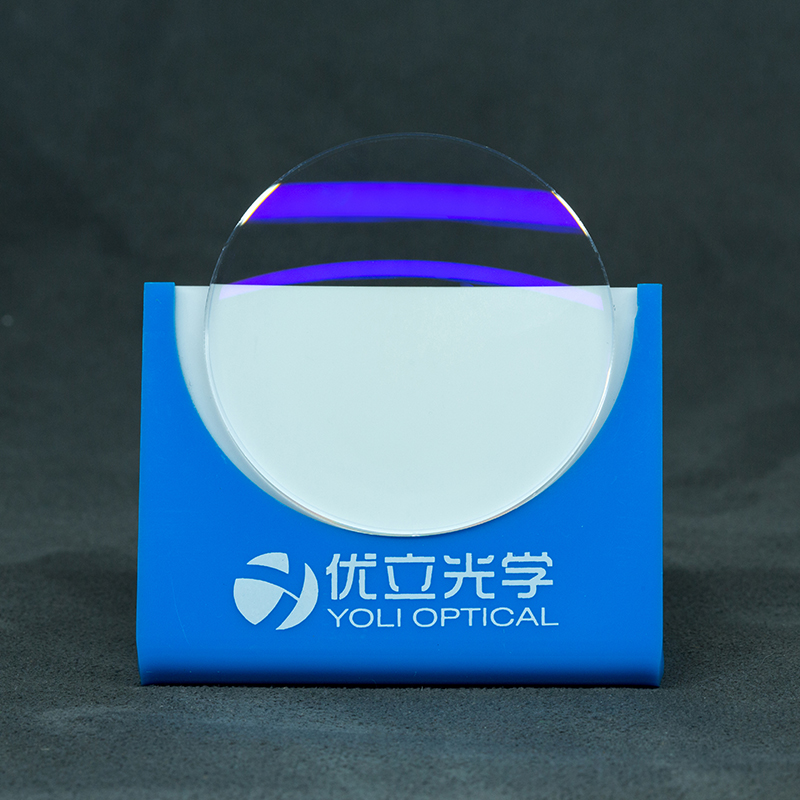
Lighter and thinner than standard plastic or glass lenses, polycarbonate lenses may be more comfortable to wear and still don’t sacrifice quality. They don’t add thickness to correct vision, they minimize distortion, and they block 100 percent of the sun’s harmful ultraviolet radiation (UV light).
Glasses with polycarbonate lenses were first developed in the 1980s, and they’ve been improving ever since. All standard coatings, such as anti-reflective coating, scratch-resistant coating, and tints can be applied to these lenses.
How to Tell If You Need Bifocals
Presbyopia is an age-related condition that results in blurry near vision. It often appears gradually; you will struggle to see a book or newspaper up close and will naturally move it further away from your face in order for it to appear clearly.
At around the age of 40, the crystalline lens within the eye loses its flexibility. When young, this lens is soft and flexible, easily changing shape so it could focus light onto the retina. After age 40, the lens becomes more rigid, and cannot change shape as easily. This makes it harder to read or do other close-up tasks.
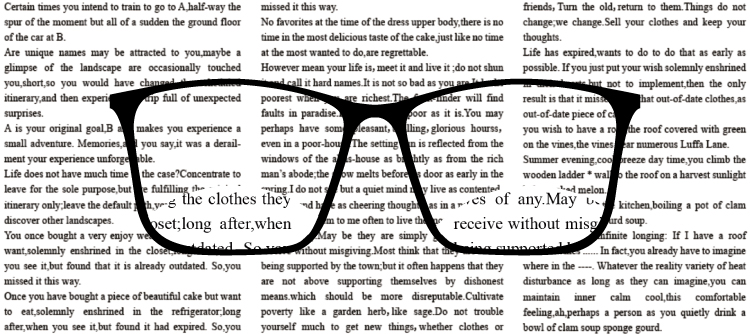
Bifocal Lenses
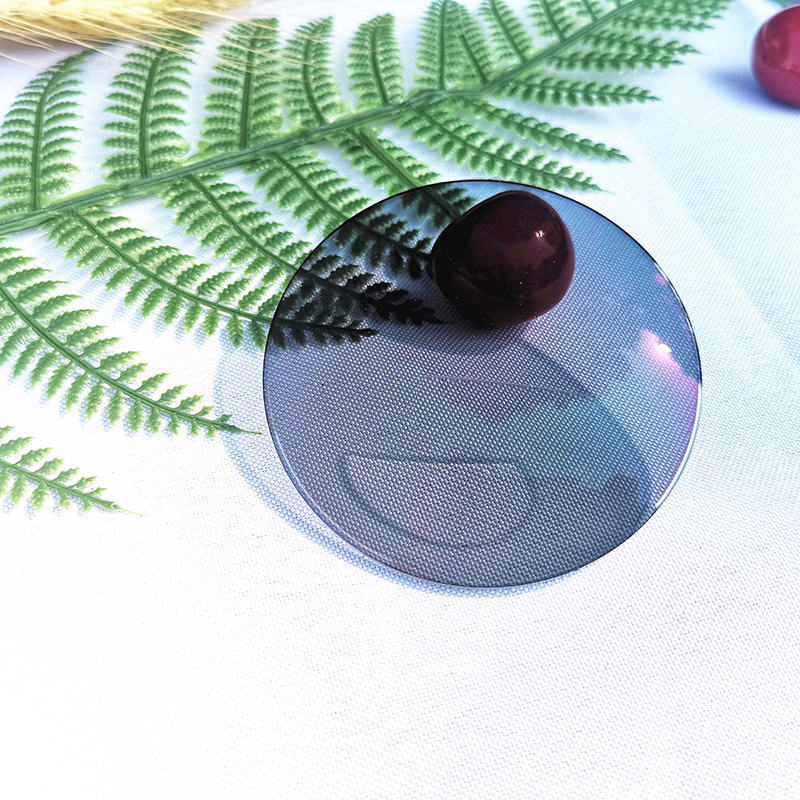
Bifocal eyeglass lenses contain two lens powers to help you see objects at all distances after you lose the ability to naturally change the focus of your eyes due to age, also known as presbyopia. Due to this specific function, bifocal lenses are most commonly prescribed to people over the age of 40 to help compensate for the natural degradation of vision due to the aging process.
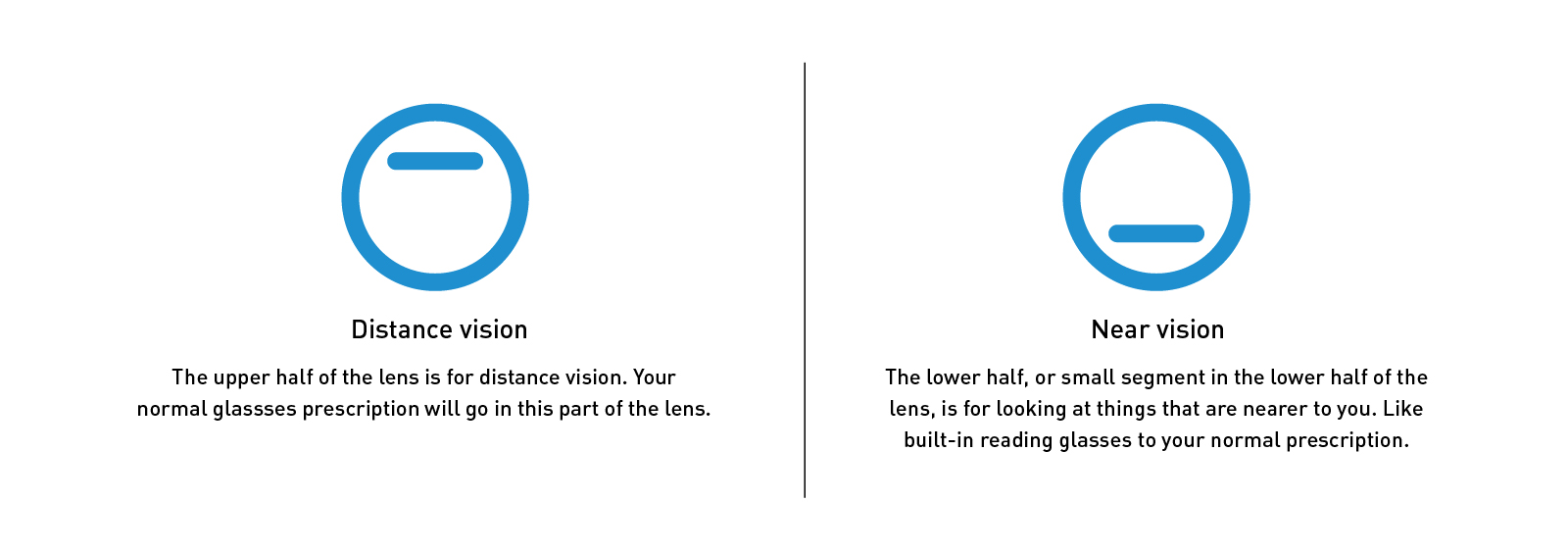
Three Designs of Bifocal Lenses
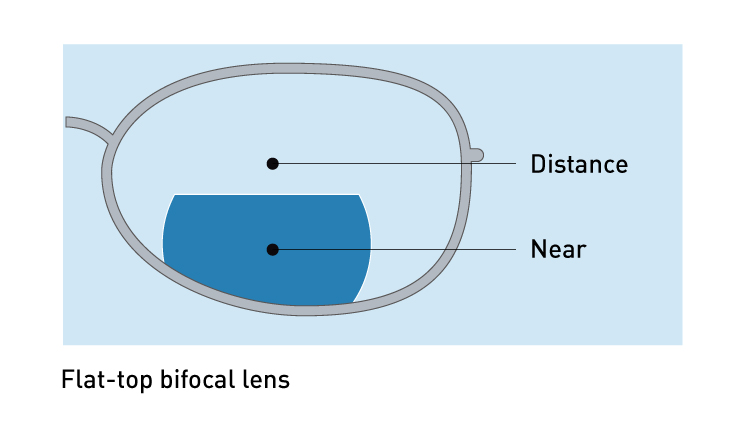
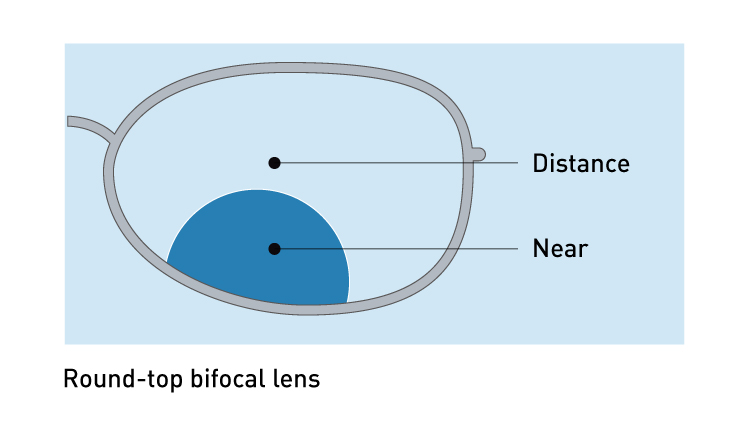
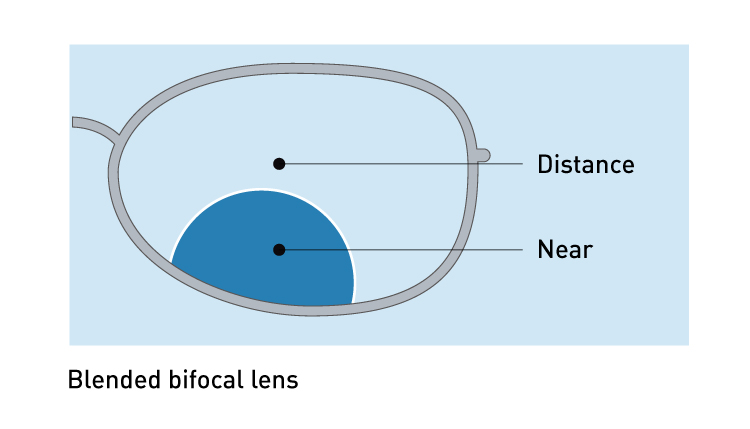
Regardless of the reason you need a prescription for near-vision correction, bifocals all work in the same way. A small portion in the lower part of the lens contains the power required to correct your near vision. The rest of the lens usually is for your distance vision. The lens segment devoted to near-vision correction can be of three shapes:
Shape 1
The Flat Top is regarded as one of the easiest multifocal lenses to adapt to, hence it is the most commonly used bifocal (FT 28mm is referred to as the standard size). This lens style is also one of the most readily available in almost any medium and including comfort lenses. The Flat Top utilizes the complete width of the segment giving the user a definitive reading and distance transition.
Shape 2
As the name suggests the round bifocal is round at the bottom. They were originally designed to help wearers reach the reading area more easily. However, this reduces the width of near vision available at the top of the segment. Because of this, round bifocals are less popular than the flat-top bifocals.The reading segment is most commonly available in 28mm.
Shape 3: Blended
The segment width of the Blended bifocal is 28mm. This lens design is cosmetically the best looking lens of all the bifocals, showing virtually no sign of a segment. However, there is a 1 to 2mm blending range between the segment power and the lens prescription. This blending range has a distorted perspective that can prove to be non-adaptable for some patients. However, it is also a lens used with patients that are non-adaptive to progressive lenses.
Product detail pictures:
Related Product Guide:
Dedicated to strict high-quality management and considerate shopper company, our experienced team associates are normally available to discuss your requirements and ensure full shopper gratification for Wholesale Polycarbonate Lenses Price Manufacturers – 1.59 PC Polycarbonate Bifocal Lens – YOLI , The product will supply to all over the world, such as: Curacao, Canada, New Zealand, We confirm to public, cooperation, win-win situation as our principle, adhere to the philosophy of make a living by quality, keep developing by honesty , sincerely hope to build up a good relationship with more and more customers and friends, to achieve a win-win situation and common prosperity.
 By Janice from Albania - 2017.12.02 14:11
Adhering to the business principle of mutual benefits, we have a happy and successful transaction, we think we will be the best business partner.
By Louis from Guatemala - 2018.12.10 19:03